

Bonny M | April 1, 2026
Julia Ngadi’s journey is one shaped by culture, resilience, and a deep commitment to empowering others. Born in Congo, raised in Ireland, and now based in the United Kingdom, Julia carries a rich and layered identity that influences both her personal life and professional work. A writer and soon-to-be published author, she uses fashion, storytelling, and public platforms to inspire confidence and encourage meaningful conversations around identity and purpose.
Her journey into pageantry began through modelling in 2013. Two years later, she entered her first local pageant and won. While the stage initially attracted her with its elegance and glamour, Julia soon realised that pageantry required far more than appearance. It demanded discipline, confidence, communication skills, and personal growth.
Over time, she began to see pageantry as more than a competition. For Julia, it became a platform to inspire others, particularly young women navigating their own journeys of self-discovery and confidence. What once began as a personal challenge gradually transformed into a mission to empower others.
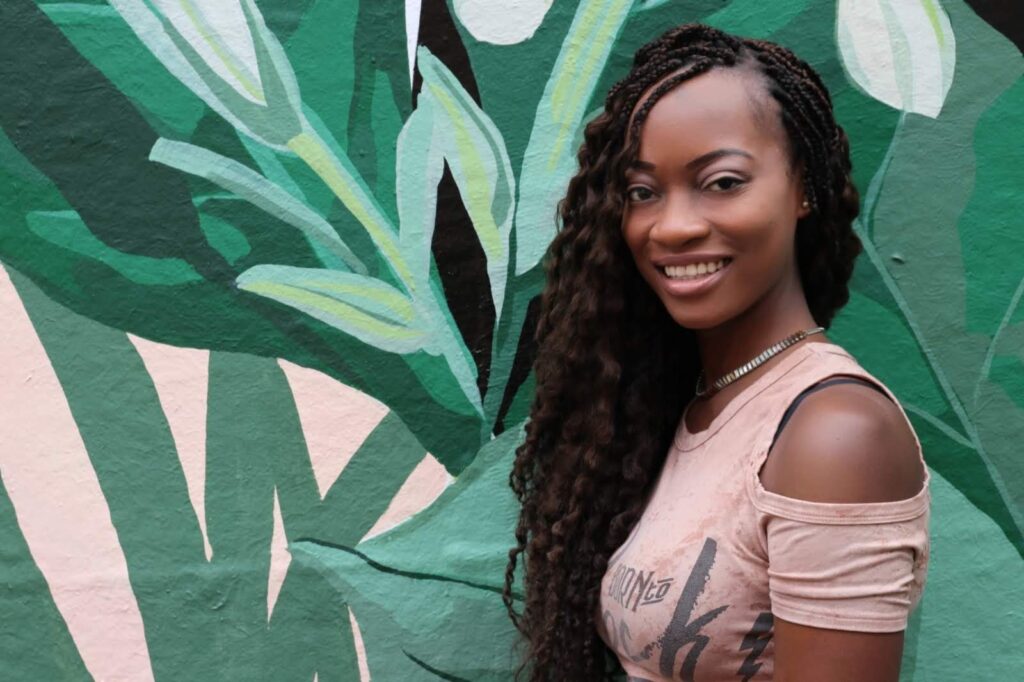
Julia’s understanding of pageantry deepened when she began mentoring contestants for Miss Congo Éireann, an organisation in Ireland that focuses on empowering young Congolese women within the diaspora community.
The pageant is unique in its approach. It is free to apply and driven largely by volunteers, family support, and a shared commitment to uplifting young women. Rather than focusing solely on competition, the organisation emphasises leadership, confidence, and cultural pride.
Serving as a mentor allowed Julia to witness the powerful transformation that pageantry can bring. She watched young women develop their voices, strengthen their confidence, and embrace their heritage. Those experiences revealed to her that pageantry could be a tool for building community, not just celebrating beauty.
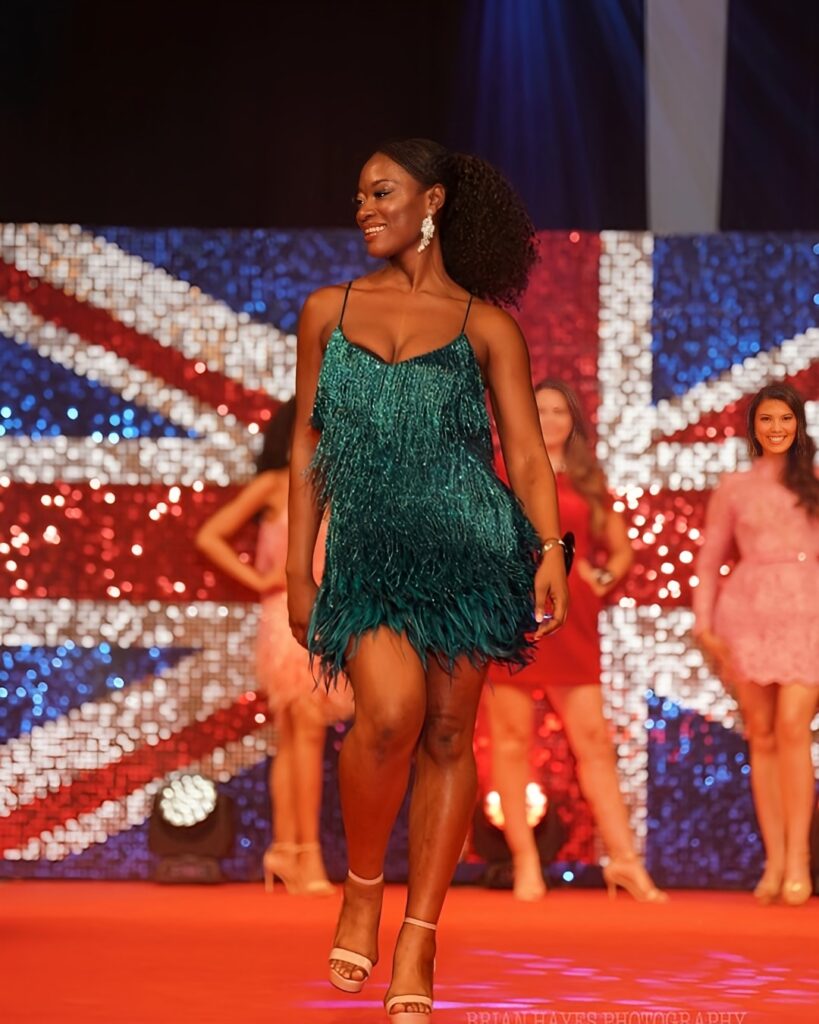
Julia’s passion for mentorship eventually led her to take on the role of Pageant Director for Miss Congo Éireann. Her decision to move into leadership was intentional. Having experienced pageantry herself, she wanted to help shape the environment and ensure contestants felt supported throughout their journey.
For Julia, directing a pageant is about more than organising an event. It is about stewardship and responsibility. Within diaspora communities especially, representation carries significant meaning. Pageantry becomes a space where cultural pride, unity, and identity can be celebrated.
One of the most rewarding aspects of her role has been watching contestants grow beyond their comfort zones. Whether through public speaking, leadership exercises, or stage preparation, the transformation she witnesses in young women is often deeply emotional. During final rehearsals in 2025, the contestants surprised her with a gift to thank her for her guidance. The gesture reminded her that leadership is not defined by perfection but by the impact it has on others.

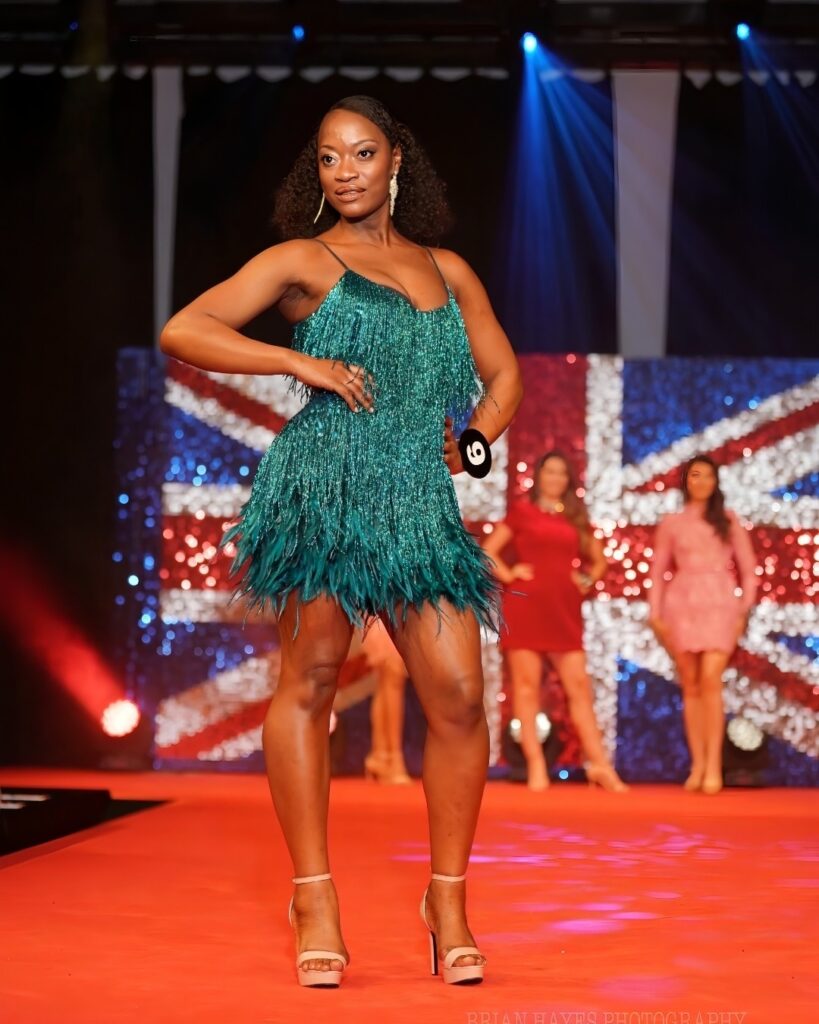
While Julia has spent years guiding contestants behind the scenes, she recently returned to competition herself as a finalist in Miss Supranational UK 2026. Her decision to compete again was driven by a desire to reconnect with the contestant experience and better understand the modern landscape of international pageantry. As a mentor and director, she believes it is important to lead with fresh, lived experience.
The journey also carried a deeply personal meaning. After being diagnosed with Graves’ disease, Julia faced a period where her confidence and self-image were challenged. Returning to the stage became a way of reclaiming her space and reminding herself that confidence can be rebuilt.
Although she did not win the crown, the experience strengthened her perspective and allowed her to mentor others from a place of authenticity.

Beyond pageantry, Julia’s work centres on empowerment, leadership, and identity. These values are deeply connected to her own experiences of rebuilding confidence during challenging moments in her life.
Her advocacy initiative, The Crown Within, is a platform she is developing to support women and young girls in rediscovering confidence and identity. Through mentorship and storytelling, the initiative aims to create safe spaces where women can explore their purpose and rebuild their self-belief.
For Julia, the crown symbolises responsibility rather than status. True confidence, she believes, begins internally and cannot rely solely on external validation.
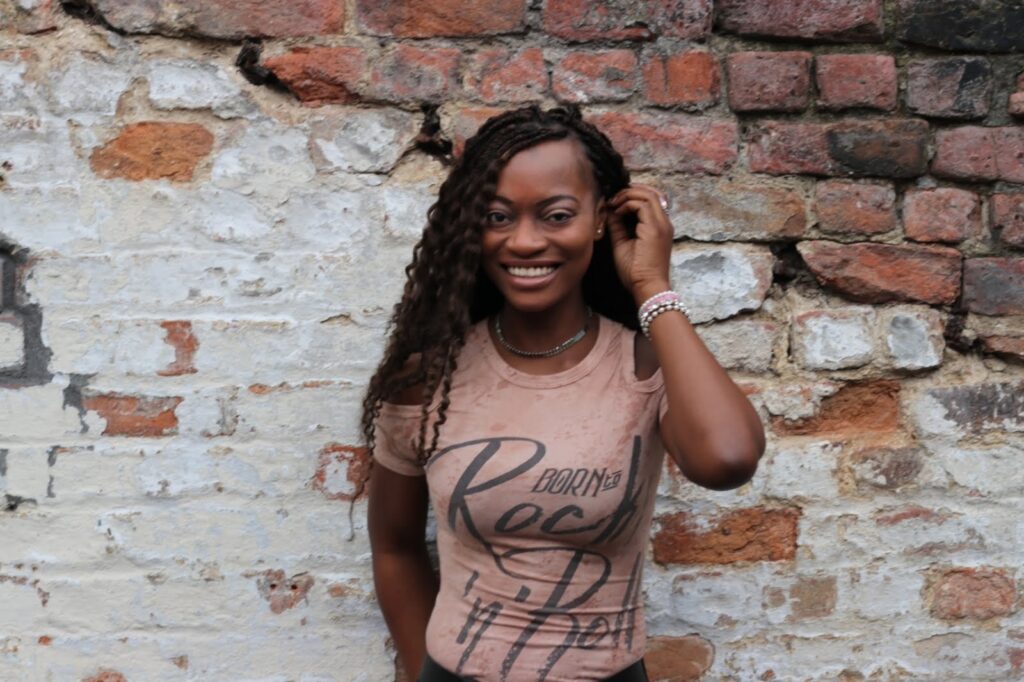
Julia also embraces a rich cultural identity that reflects the many places that have shaped her life. Congolese by birth, Irish by upbringing, and now living in the United Kingdom, she carries each part of her identity with pride. Rather than seeing these identities as separate, she views them as complementary influences that strengthen her voice and perspective. On global platforms, she represents not just one culture but a powerful blend of experiences.
Through pageantry, writing, and advocacy, Julia continues to use her platform to encourage growth and self-belief. She reminds young women that the true purpose of pageantry is not validation but development. For Julia Ngadi, the greatest success is not simply standing on a stage but helping others recognise the strength and confidence they already carry within themselves.
Looking ahead, how do you envision the evolution of your work within pageantry, advocacy, and community leadership?
Looking ahead, I see my work evolving from participation to structure and legacy. Within pageantry, I want to continue bridging competition and mentorship — creating systems that prepare young women not just for a stage, but for leadership in life. I envision strengthening training frameworks, building stronger community engagement, and ensuring that the platforms connected to pageantry extend beyond a single event.
In advocacy, I see The Crown Within growing into something tangible and sustainable – workshops, mentorship programmes, and safe spaces where women and young girls can develop confidence, leadership skills, and clarity of identity. I want it to move from concept to movement.
As a writer, publishing my book is just the beginning. I want to continue telling stories that shape perspective and challenge how we define identity and purpose. In community leadership, my vision is long-term impact. I want to help build spaces where cultural pride, unity, and opportunity can coexist. Especially within diaspora communities, leadership must be about structure, collaboration, and generational growth.
Ultimately, I see all these areas intersecting – pageantry, advocacy, writing, and leadership – not as separate paths, but as parts of one vision: empowering people to understand who they are and to lead from that place.