

Bonny M | June 2, 2026
For Kai Andrews, music was never something distant or unfamiliar. Long before he stepped into a studio or recorded his own tracks, sound already lived within the walls of his upbringing. Raised in Diepkloof, Johannesburg South, Kai grew up surrounded by generations of musical influence that quietly shaped the artist he would later become. Vinyl records from legends like Donny Hathaway and Roberta Flack filled his home through his grandfather’s collection, while artists such as Usher, Brandy, George Benson, Mariah Carey, Michael Jackson and Aaliyah became part of the soundtrack of his childhood through his parents’ love for music.
His father leaned heavily into jazz while his mother gravitated toward R&B, creating a blend of influences that would eventually become part of Kai’s own sonic identity. But it was at just seven years old, after hearing T.I.’s album Paper Trail playing in the car after church, that something shifted. The opening beat sparked what Kai describes as love at first sight with hip hop. From there, his curiosity expanded rapidly, discovering names like Eminem, Jay-Z, Lil Wayne, Tupac Shakur and The Notorious B.I.G. before eventually connecting deeply with the artistry of Tyler, The Creator and Kendrick Lamar.

As he entered his teenage years, South African hip hop also became an important part of his growth, drawing inspiration from artists like AKA, Riky Rick, Shane Eagle and A-Reece. By fourteen, Kai had already begun experimenting with production after discovering FL Studio on his father’s computer, and by sixteen he made the decision to sacrifice a school camping trip in order to buy studio equipment and begin recording seriously.
What began as childhood fascination slowly evolved into purpose. Kai recalls always knowing he had the ability to rap, even as a child memorising complex verses from Eminem records while classmates watched in disbelief. But seeing his cousin release music independently showed him that taking things further was possible. By Grade 7, during a school speech assignment about future careers, Kai openly told his class that he wanted to become a rapper.
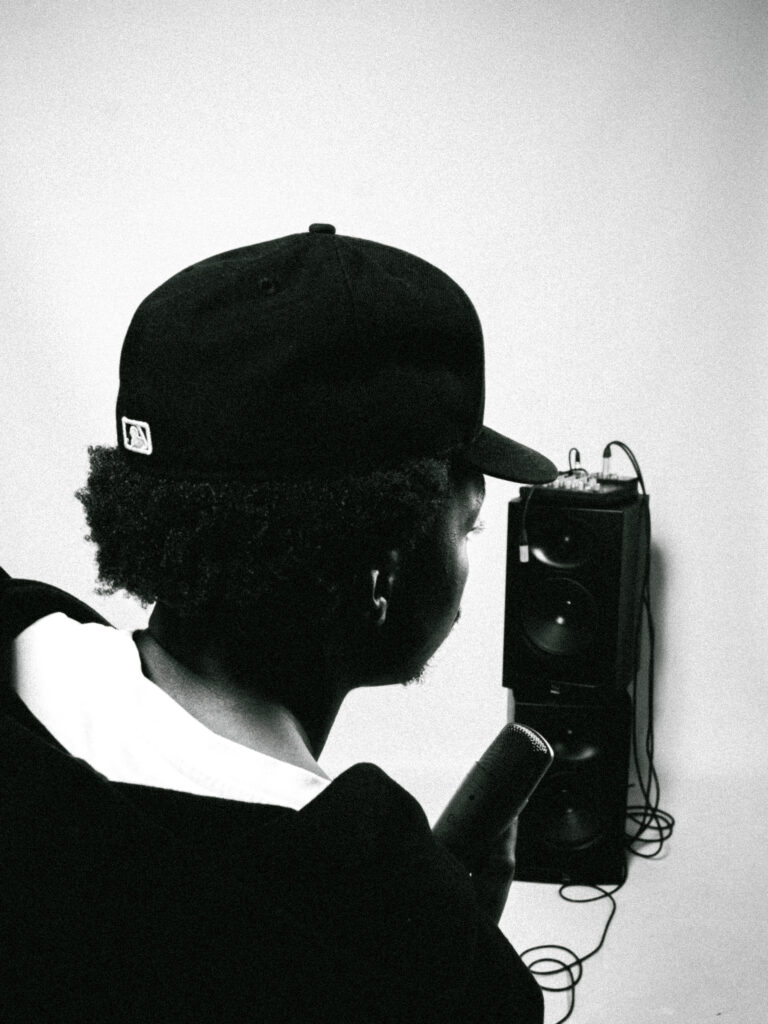
Today, Kai describes his sound as progressive hip hop, deeply influenced by more than just rap alone. Jazz, film soundtracks, layered melodies, metaphors, chords and emotional storytelling all shape the world he creates through music. His artistry is rooted in experimentation and emotional honesty rather than chasing trends or formulas.
That vulnerability becomes especially clear in his single 9 Texts (Hey Miss), a track inspired by an emotionally revealing dream. In it, Kai explores ego, emotional distance and unreciprocated love after realising he was experiencing the same neglect he had dreamt about. Rather than creating an idealised version of relationships, Kai chose to embrace imperfection and emotional complexity.

The visual storytelling behind the music video followed the same approach. Instead of placing himself at the centre, Kai focused on perspective, showing how relationships can move naturally between joy, distance, connection and confusion. It was important for him to reflect reality rather than perfection. The result is a body of work that feels deeply human, something listeners can emotionally recognise within themselves.
That same emotional honesty continues into his upcoming mixtape BLACKS & FAST FOOD., a project centred around what Kai calls “fast food mentality” and the effects of instant gratification on both himself and the people around him. Rather than referring to race, “BLACKS” symbolises darker emotional moments, internal struggles and flawed human behaviour. For Kai, the project represents one of the most defining chapters of his career so far.

The response to the mixtape has already become one of the most emotional moments of his journey, especially after his father listened to the project early and called him in tears afterwards. For Kai, that reaction confirmed something important, that the years of experimenting, learning and growing had finally evolved into something fully realised.
Outside of music, Kai describes himself as compassionate, passionate and deeply driven by love, empathy and human connection. Those same qualities naturally find their way into his songwriting, where vulnerability plays a central role. Rather than hiding flaws or difficult emotions, Kai embraces them openly, believing that there is beauty in imperfection and balance within life’s highs and lows.

As he looks ahead, Kai hopes the next chapter of his career brings more performances, stronger industry partnerships and opportunities to expand his reach creatively. But for now, his focus remains on BLACKS & FAST FOOD., a project that feels less like another release and more like the beginning of a defining era for both the artist and the person behind the music.