

Bonny M | August 19, 2026
There is something profoundly beautiful about people who find their way back to themselves. Not because the journey is easy, but because returning often requires far more courage than beginning. It asks you to confront the versions of yourself shaped by disappointment, to make peace with loss, and to believe that purpose can still exist after seasons of silence. For Ebony Omar, that journey has never been about chasing success or reclaiming what was lost. It has been about rediscovering the voice that had always existed beneath the expectations, the setbacks, and the uncertainty. Music, for him, was never simply an ambition. It was home. And after years of searching, healing, and rebuilding, he has finally found his way back.
Born and raised in Detroit, Michigan, Ebony’s relationship with music began long before he understood where it would eventually lead him. While many children were discovering hobbies, he was already immersed in the rhythm of church life, directing the choir at Tennessee Missionary Baptist Church from the age of eight. It was within those walls that music first revealed itself as something greater than performance. It became a language capable of comforting people, lifting spirits and creating moments of connection that words alone could never achieve. Surrounded by the rich traditions of gospel and inspired by voices such as the Winans family, The Clark Sisters, Fred Hammond, Deitrick Haddon and Kim Burrell, he unknowingly laid the foundation for an artistry that would one day become uniquely his own.
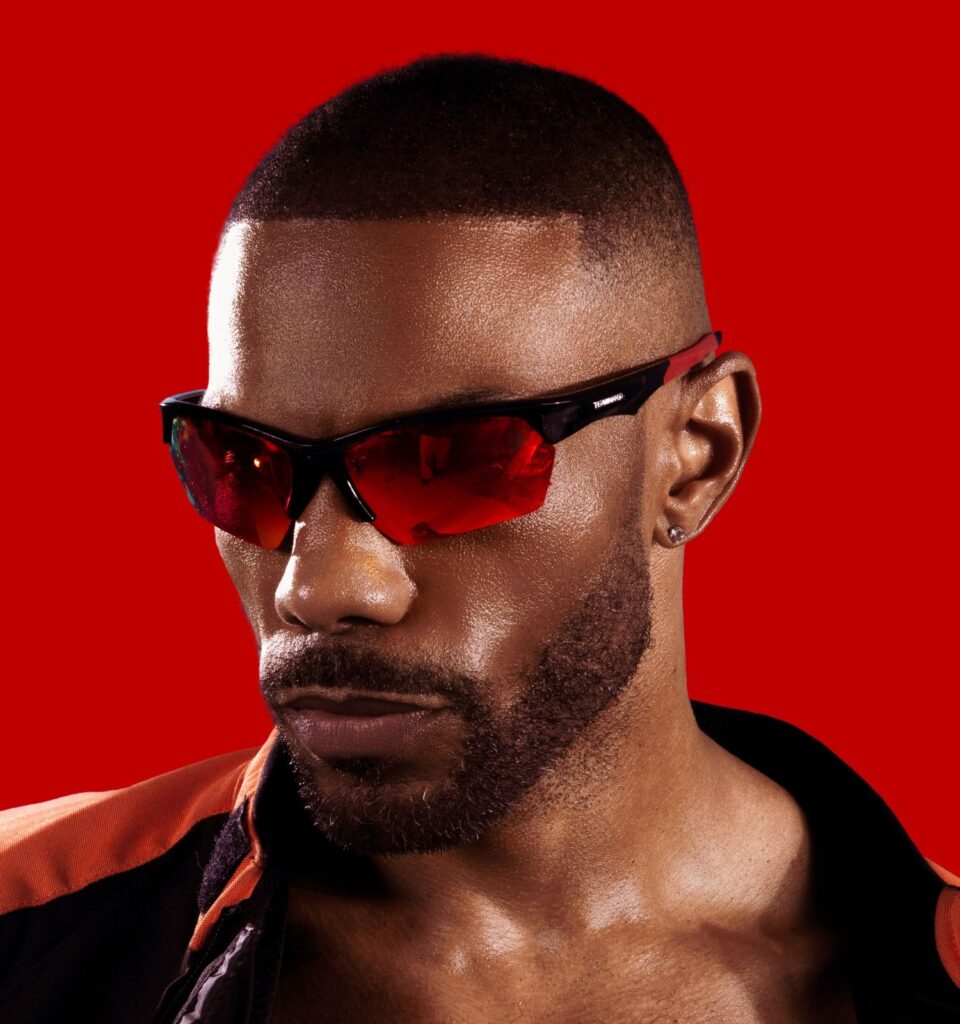
Yet even as gospel shaped his earliest understanding of music, another sound quietly called to him. The emotional storytelling of artists like Kenny Lattimore, Sam Cooke, Faith Evans, Brandy, Rahsaan Patterson and Usher introduced him to a different kind of honesty, one that embraced vulnerability as much as vocal excellence. Where gospel nurtured his spirit, R&B gave him permission to explore the complexities of being human. It allowed him to speak about love, heartbreak, healing and self-discovery with a freedom he had long been searching for. Looking back, it becomes clear that Ebony was never choosing between two worlds. He was learning how to bring them together, creating a sound that carries the depth of gospel while embracing the emotional openness of soul and R&B.
“My journey has really been about merging those two worlds, gospel roots and soulful R&B honesty, into one authentic sound,” he reflects.
That authenticity would eventually open remarkable doors. Ebony’s voice found its way into spaces many aspiring artists spend a lifetime hoping to reach. He performed background vocals for R. Kelly, contributed to a project with Martha Munizzi and earned a place as a Top Five finalist on Sunday Best. From the outside, it appeared as though everything was unfolding exactly as it should. His career was moving, opportunities were growing and the future seemed filled with promise. Yet behind those milestones lived a quieter reality, one that audiences rarely see. Success does not always silence doubt, and achievement does not always protect someone from questioning whether they truly belong.
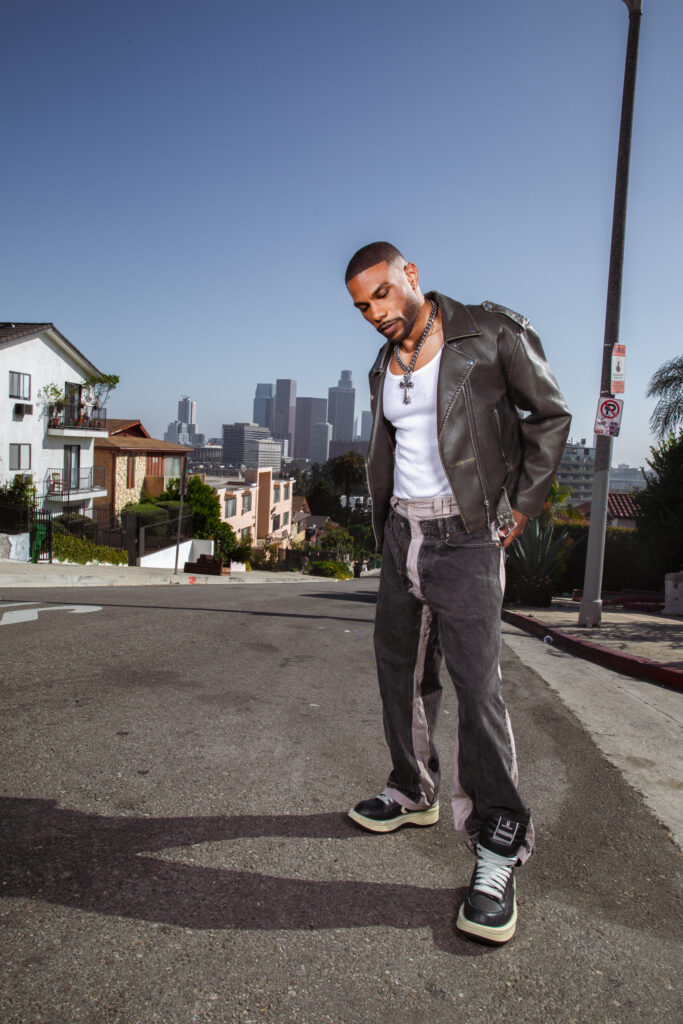
For a long time, Ebony found himself trying to fit into spaces that didn’t always understand the fullness of his artistry. The rejection he experienced wasn’t always spoken aloud, but over time it settled into his spirit, slowly replacing confidence with hesitation. The artist who had once found joy in simply creating began questioning his own voice, allowing the opinions of others to shape the way he saw himself. Eventually, the weight of those experiences became impossible to ignore. Music, the very thing that had once given him life, became intertwined with disappointment, and without realising it, he stepped away from the gift that had defined him for so much of his life.
It is often said that grief changes people, but sometimes it does something even more profound. It reveals what has always mattered.
The passing of his father, Kevin Taylor, became one of those defining moments. More than a parent, his father had been one of his greatest believers, constantly encouraging him to pursue the gift he possessed even during the moments when Ebony struggled to see it for himself. His belief was never rooted in fame or recognition. It was rooted in purpose. Losing him left an absence that words could never fully explain, but within that grief came an uncomfortable truth. Somewhere along the journey, Ebony had not only stepped away from music, he had stepped away from a part of himself.
Searching for healing rather than answers, Ebony made a decision that would quietly reshape the course of his life. Leaving behind everything familiar, he embarked on a 32-hour journey to California. It wasn’t a move inspired by career ambitions or the promise of opportunity. Instead, it was an act of survival, a chance to create distance from the emotional weight that had kept him feeling stuck for years. California offered something he hadn’t realised he needed: space. Space to grieve. Space to breathe. Space to rediscover the person he had become beneath the pain.
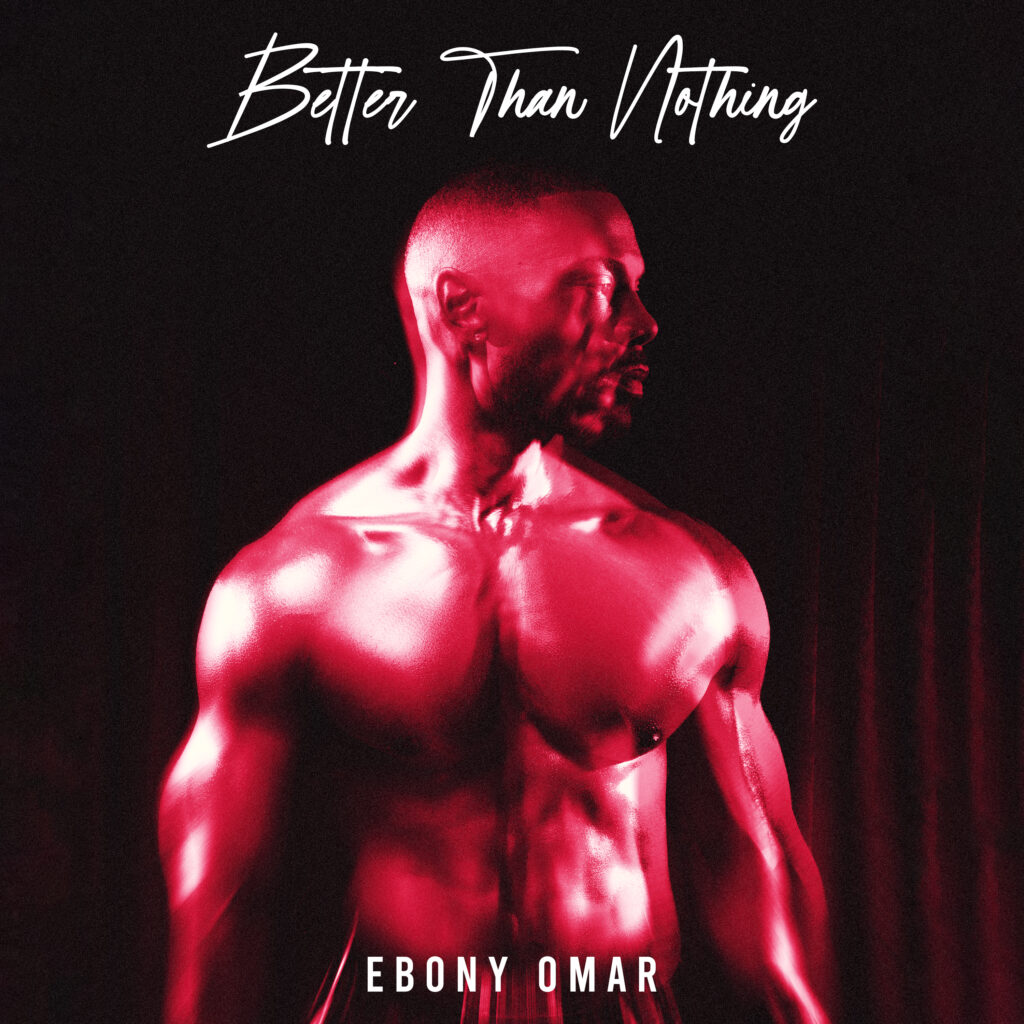
For a time, music remained in the background. Healing came first. Day by day, he began rebuilding not only his confidence but also his relationship with himself. As the emotional fog slowly lifted, something familiar began calling him once again. This time, however, the invitation felt different. He was no longer returning to music to prove himself. He was returning because it was impossible to ignore the truth of who he was. It was from that place of honesty that Better Than Nothing was born…

Better Than Nothing is, on the surface, a song about accepting less than you deserve out of fear of losing someone altogether. But as Ebony speaks about the record, it becomes evident that its meaning stretches far beyond romance. Hidden within its lyrics is the story of an artist who, for years, accepted less from himself than he was truly capable of giving. It is a reflection of emotional compromise, not only in relationships but in identity, purpose and self-belief. Every note carries traces of grief, every lyric echoes resilience, and every verse feels like a conversation with the version of himself that almost disappeared beneath rejection and doubt.
What makes the record resonate so deeply is that it refuses to disguise those emotions. There is no attempt to present perfection or to hide behind polished performances. Instead, Ebony allows listeners to witness the complexity of healing in real time. The vulnerability that once felt like a weakness has become the very thing that distinguishes his artistry. In choosing honesty over image, he has created music that feels lived rather than manufactured, inviting listeners into experiences that are as familiar as they are deeply personal.
“I poured years of pain, rejection, healing, longing and self-discovery into this song,” he says. “Creating it felt therapeutic. It was one of the first times I allowed myself to be completely emotionally transparent in my music.”
Perhaps that sincerity explains why the song found audiences well beyond the borders of the United States. Within weeks of its release, Better Than Nothing was featured on Spotify Radio and Discover Weekly, reaching listeners across South Africa, Brazil and London. For an artist who once questioned whether his voice still had a place in the world, the response became more than professional validation. It became proof that authenticity travels further than perfection ever could. Emotion, after all, speaks a language that needs no translation.
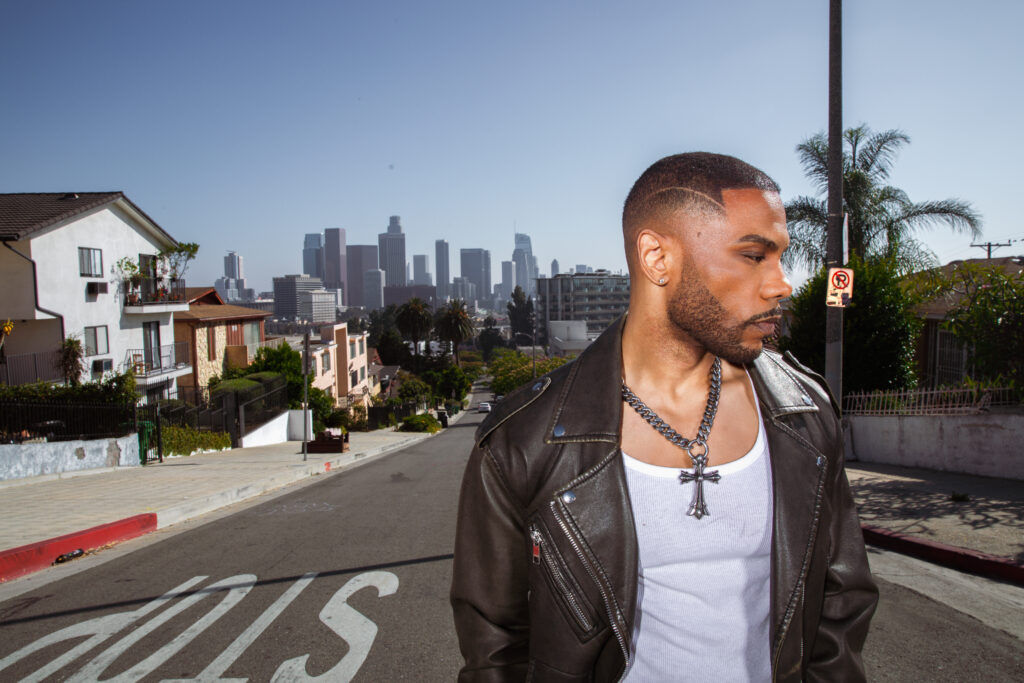
Away from the recording studio, Ebony’s journey has continued to unfold in equally meaningful ways. His work in education, mentoring young people within Black and Brown communities, reflects a commitment to creating impact that extends beyond music. It is a role that keeps him grounded, reminding him that influence is measured not only by applause but by the lives we choose to invest in. Alongside this, fashion has become another extension of his creativity. Walking runways during Fashion Week in New York, Los Angeles and London introduced him to a different kind of expression, one that allowed confidence to evolve visually while complementing the artist he was becoming internally.
It is perhaps this willingness to embrace every part of himself that defines Ebony today. He no longer separates the educator from the artist, the creative from the mentor, or the man from the music. Each experience has shaped the next, proving that growth rarely happens in isolation. Every chapter, whether marked by joy or uncertainty, has contributed to the person standing before the world today.
As our conversation unfolds, one theme quietly reveals itself again and again. Ebony does not speak about success in terms of numbers, accolades or recognition. Instead, he returns repeatedly to words like purpose, healing, honesty and growth. They are not carefully chosen talking points. They are values he has lived through, often the hard way. It becomes clear that his greatest victory was never returning to music. It was returning to himself.

That journey continues with Full Circle, his forthcoming album produced alongside Grammy Award-winning producer Lamar “LAX” Alexander. Scheduled for release in the fall of 2026, the project carries a title that feels less like an album name and more like the natural conclusion of everything that has come before it. It tells the story of rediscovery after grief, of choosing hope after disappointment and of embracing purpose after years spent questioning it. If Better Than Nothing introduced listeners to the emotional honesty that defines this new chapter, Full Circle promises to explore it even more deeply, offering a body of work shaped by reflection, resilience and a renewed sense of self.
There is a quiet confidence in the way Ebony speaks about what lies ahead. It is not the confidence of someone who believes they have finally arrived, but of someone who understands that growth is an ongoing journey. Having experienced both affirmation and rejection, he has learned not to anchor his identity in either. Instead, he measures success by something far more enduring: remaining faithful to the gift that has always lived within him.
“I want people to remember me as someone who created honest music that helped people heal, reflect and feel understood,” he says. “More than fame, I want my story to remind people that it’s never too late to rediscover yourself, rebuild your confidence and pursue the thing you were created to do.”

As the conversation draws to a close, one cannot help but notice that Ebony Omar’s story is not defined by the moments that nearly silenced him, but by the courage it took to sing again. His journey reminds us that purpose is rarely a straight road. Sometimes it asks us to pause, to grieve, to question ourselves and to begin again with greater honesty than before. Yet when we find the courage to return, we often discover that the destination was never somewhere new. It was always the truest version of ourselves.
For Ebony Omar, music is no longer something he is trying to hold on to. It is the place he has finally come home to. And as he steps into this new chapter with clarity, vulnerability and intention, one thing feels certain: this is not simply the continuation of an artist’s career. It is the unfolding of a story that was always meant to be told.