

Bonny M | August 4, 2026
For Dennis Robinson II, the journey into art began at an age when most children were still discovering how to make sense of the world around them. At just four years old, he discovered that he loved to draw, filling pages with characters inspired by the books his family gave him. What started as childhood drawings soon became something much deeper. As he grew older, Robinson began to understand that it was not only the characters that fascinated him, but the stories behind them. The shows, animations, films and games he watched opened doors to entire worlds, and before long, he wanted to create worlds of his own.
His love for storytelling was also shaped by his family, particularly through the stories he heard growing up. Ghost stories, folklore and memories of how his relatives experienced their own childhoods captivated him, not only because of what was being told but because of the way the stories were delivered. That ability to transport someone through words stayed with him. Movies introduced him to the power of cinematography and emotional storytelling, animation showed him how reality could be pushed beyond its limits through visual language, while games demonstrated how deeply audiences could immerse themselves in a story. Together, those influences planted the foundation for the imaginative universe Robinson continues to build today.
“I just love to create,” he says, and that simple statement perhaps explains his entire creative journey. Drawing was the first language that came naturally to him, long before he knew there was a profession called illustration. He was the child creating characters and stories and putting them all over his walls, many of those childhood creations still exist today. Graphic design later introduced him to the digital side of his craft through programmes such as Photoshop and Illustrator, while his studies in illustration eventually allowed him to refine his skills and earn his MFA. Writing developed alongside his visual work, beginning with story ideas scribbled into notebooks and eventually becoming another way for him to bring the worlds in his imagination to life.
With more than 15 years of professional experience across illustration and design, Robinson has learned that regardless of the creative discipline, everything ultimately comes back to one thing: story. Illustration, photography, styling, creative direction and fashion design may look different on the surface, but each has the ability to communicate something. “Everything that looks amazing is only as good as the story behind it,” he explains. It is a philosophy that has shaped the way he approaches his work, teaching him that passion, determination, collaboration and the willingness to work intelligently are just as important as talent.
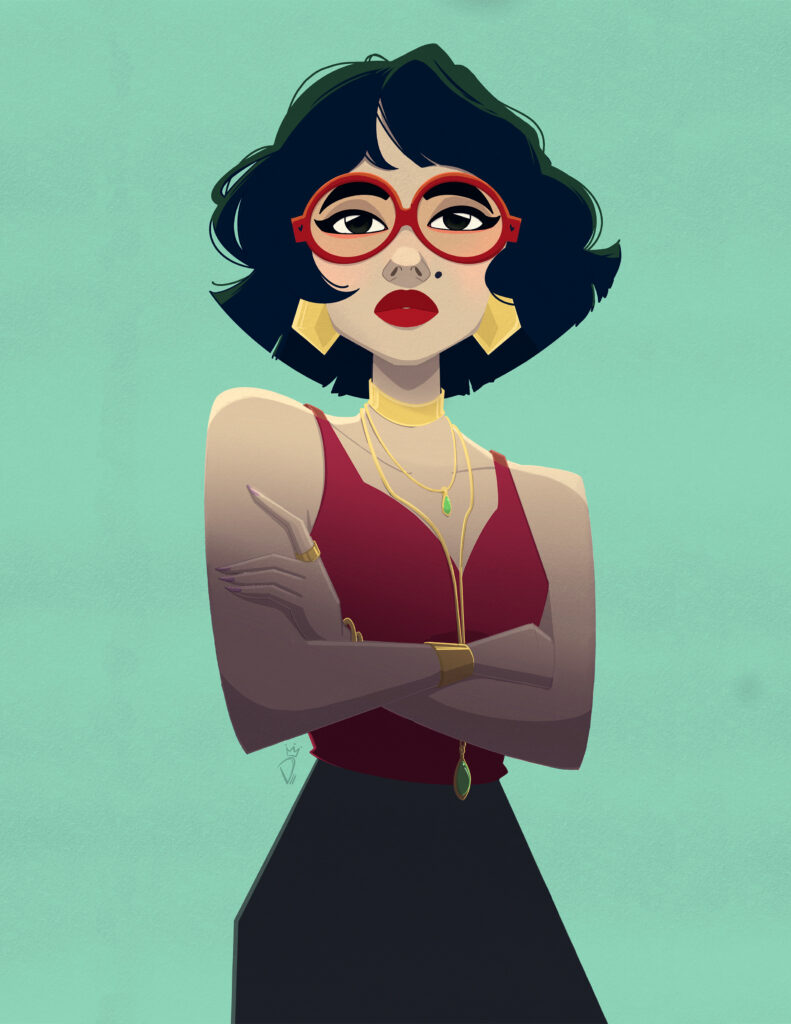
That belief becomes particularly clear in Robinson’s approach to world-building. For him, creating a character is rarely just about deciding what they look like. It is about understanding who they are, where they come from and how the world around them has shaped them. If a character lives in a world of wetlands, for example, Robinson wants to understand how they survive there, what they use to hunt or cultivate the land, what threatens them and how their surroundings influence their everyday lives. The same thinking extends to storyboarding and character acting, where camera angles, movement, expressions and reactions all contribute to the visual language of a story.
What excites him most about world-building is the problem-solving. A single character can open the door to an entire universe of questions: Who is this person? What is their backstory? Where do they live? What is their social or economic position? What do they do? How did their past shape their present? As those questions are answered, the world begins to develop almost organically around them. Robinson describes the process as being similar to connecting the dots in a mystery, with each answer leading to another discovery.
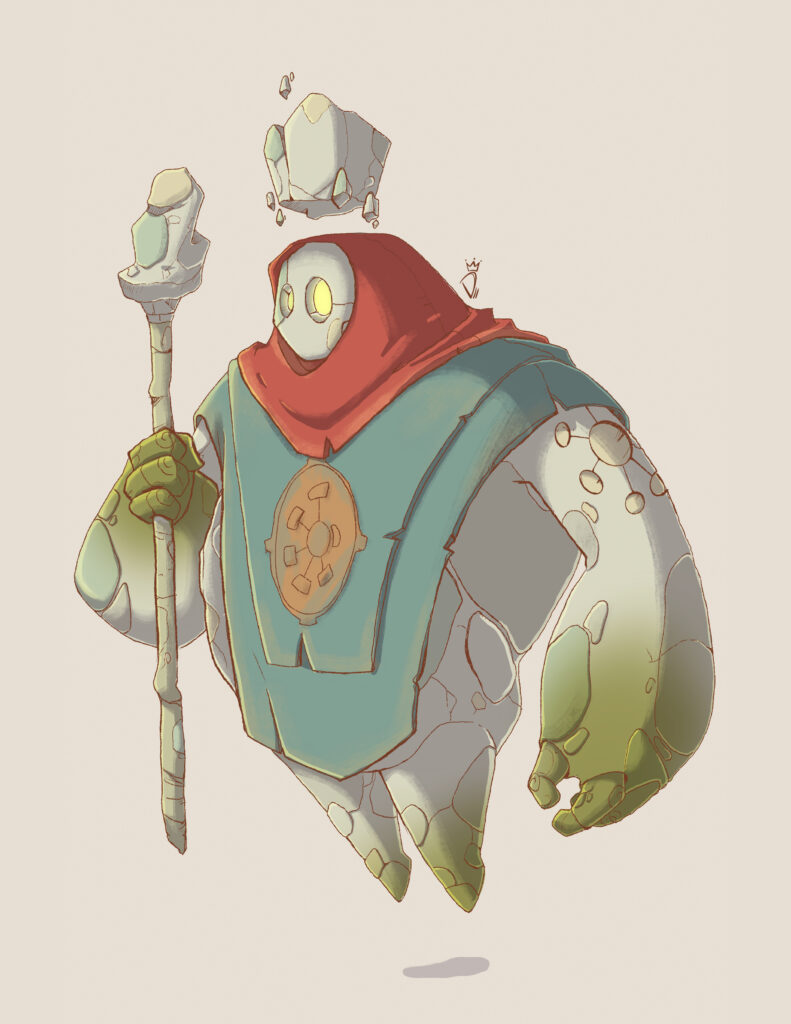
That curiosity is also what keeps his own creativity evolving. He actively studies the work and techniques of other artists, takes courses, researches new approaches and continues learning new programmes. He is currently exploring 3D modelling, recognising how the technology can assist artists in creating environments and establishing perspective before building on them through illustration. For Robinson, staying inspired means remaining willing to learn. The creative journey is never finished, and there is always another skill, technique or idea worth exploring.
His journey into authorship, however, came from a moment when a dream seemed to hit a wall. Robinson once had the opportunity to pitch a cartoon series to Cartoon Network, but was told that the concept did not appear capable of sustaining 52 episodes. He was encouraged to revamp the idea and try again, but by the time he was ready, the programme accepting unsolicited work had ended. It could have been the point where the idea disappeared, but instead it forced Robinson to think differently about how his stories could reach an audience.
He wanted to create animation, but he did not know any animators and did not have the resources to produce a pilot. What he did have were his storytelling, illustration and design skills. So he decided to use what was already in his hands. The result was Gwen Tells.
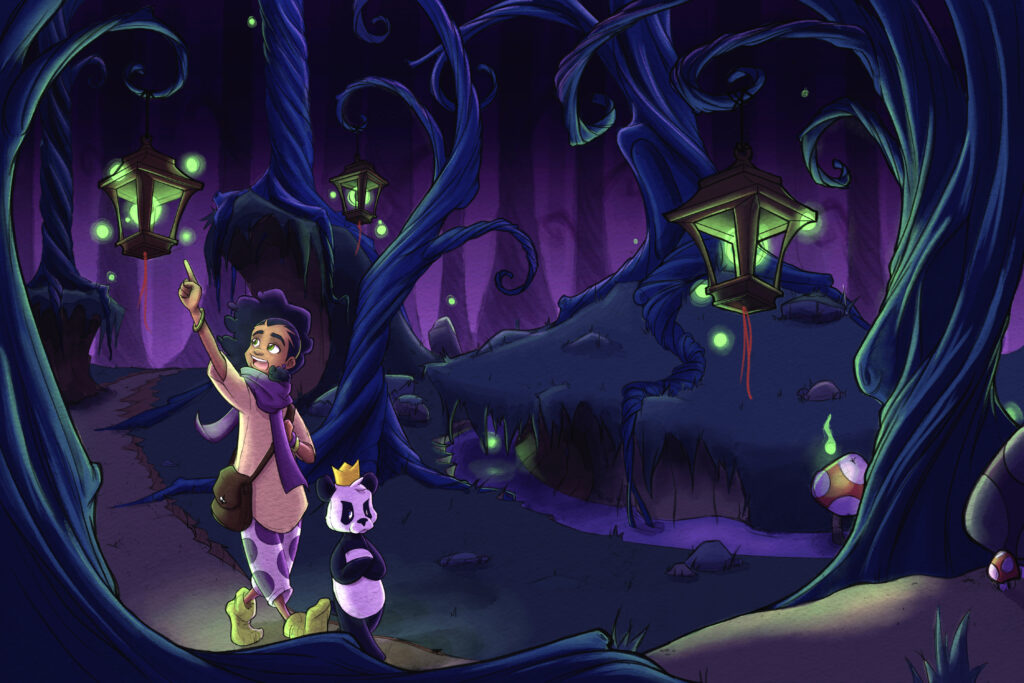
Originally conceived as an animated series, Gwen Tells and the House of Shroom began taking shape as Robinson wrote on train rides through New York, filling composition notebooks with ideas. When he later pursued his Master’s in Illustration, he realised the story could become his thesis. There was no longer an excuse to leave it unfinished. The book had to happen.
Inspired by portal fantasies such as Spirited Away, Harry Potter and Alice in Wonderland, Robinson set out to create a world that felt familiar enough to draw readers into the fantasy genre while remaining distinctly his own. At the centre is Gwen, a young Black girl who finds herself pulled into the mysterious Otherworld alongside an unexpected companion: Magus, a panda-king teddy bear with a very strong personality.
Their relationship is far from the sweet, uncomplicated friendship one might expect. Gwen believes she is trapped inside a dream and simply wants to wake up, while Magus wants to return to his original body and believes Gwen is the reason he has been reduced to his current form. Their arrangement begins almost like a business deal, with each needing something from the other. Yet as they journey through the Otherworld, their differences gradually force them to understand one another.
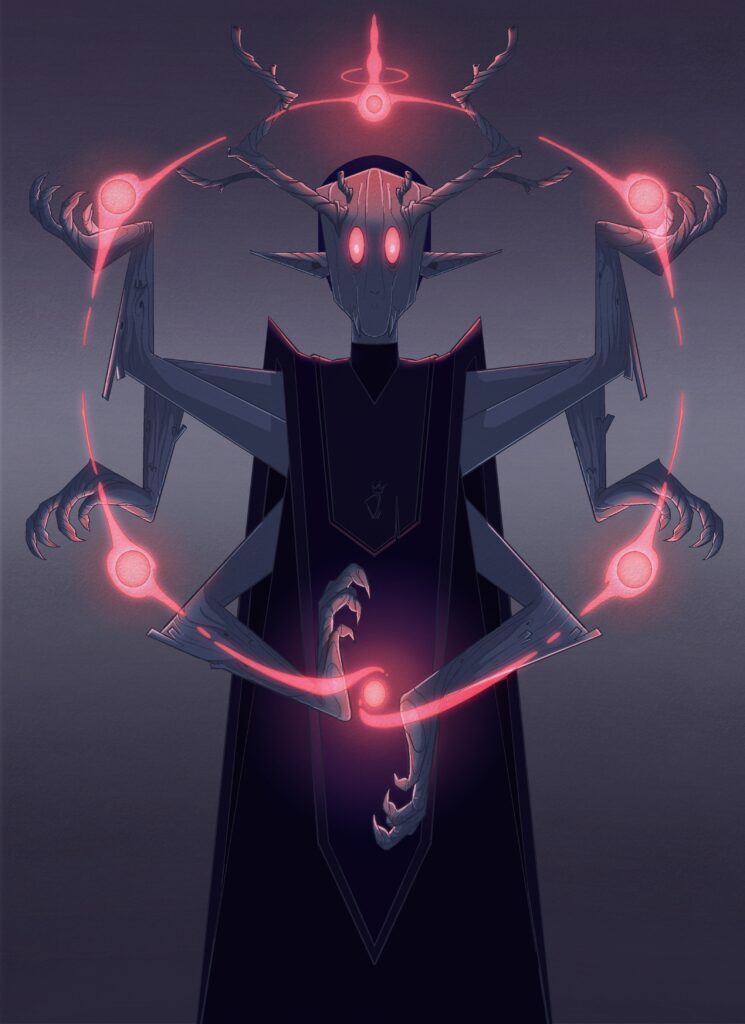
That unconventional relationship is part of what Robinson wanted to bring to the portal-fantasy genre. He wanted the story to feel recognisable but not predictable, right down to the narrator, whose personality becomes part of the reading experience. The world itself is equally imaginative, filled with whimsical creatures, magical landscapes and mysteries that slowly reveal themselves. What began as a story about a Black girl and her panda-king teddy bear was originally intended to be a picture book, but Robinson soon realised he had far more to say. It expanded into a trilogy, with the larger animation vision still sitting on the horizon.
As both author and illustrator, Robinson experiences his stories visually before they are fully written. He describes his creative process as cinematic, imagining the time of day, lighting, atmosphere and emotional feeling of a scene before putting it onto the page. Sometimes those visual ideas become small sketches, which later find their way into the illustrations. For him, writing and drawing are not separate processes; they speak to each other, allowing the story to develop simultaneously through words and images.
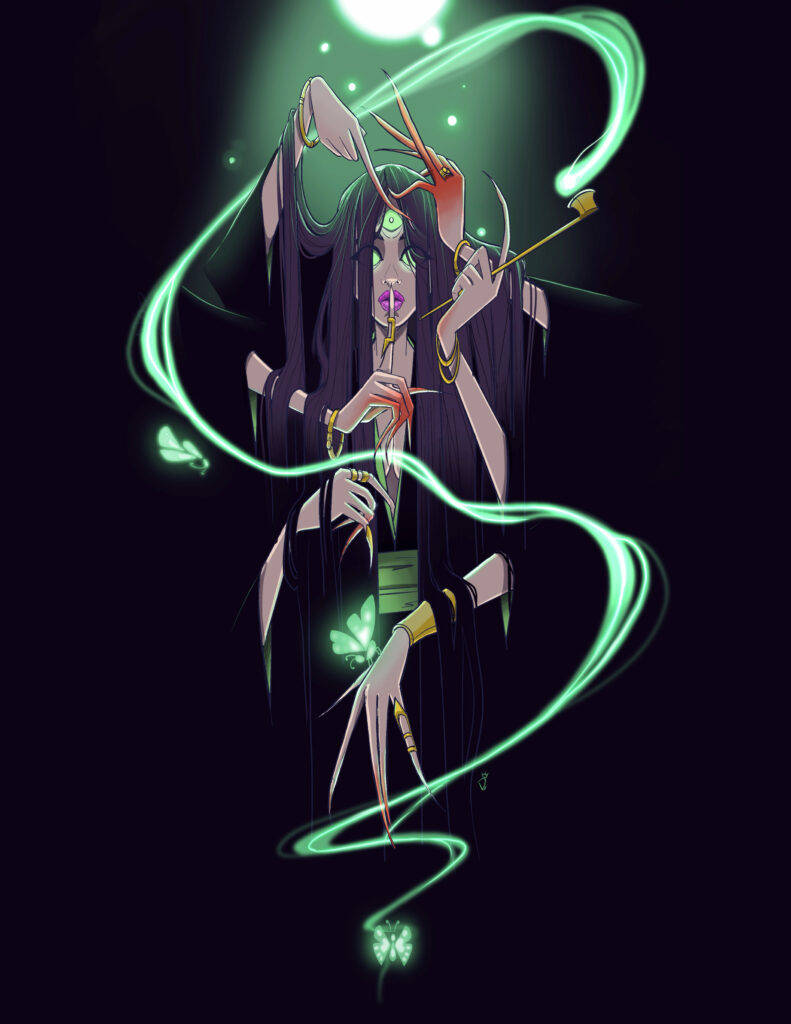
Perhaps the most meaningful part of creating Gwen Tells and the House of Shroom has been seeing what representation can mean to readers. At conventions, Robinson has watched people’s faces light up simply when they see the representation on the cover. Those moments reach something personal within him, the younger version of himself who would have loved to see more characters like him inhabiting the fantastical worlds he adored.
That is ultimately what Robinson hopes his work can offer: not simply entertainment, but encouragement. He wants his stories to become part of the same cycle of inspiration that influenced him, proving to someone else that their imagination is worth pursuing and their story deserves to exist.
And there is plenty more imagination waiting to emerge. Gwen Tells and the House of Shroom is the first book in a planned trilogy, followed by Gwen Tells and the Otherling City and Gwen Tells and the Witch of the Abyss. Robinson is also developing a manga and has animation projects he hopes to pitch to networks. Yet beneath all those ambitions is something wonderfully simple: the desire to complete the dreams of the little boy who first picked up a pencil and began drawing.
For Dennis Robinson II, imagination was never merely a place to escape to. It became a place to build, explore and eventually invite others into. And with every character he creates, every story he writes and every world he brings to life, he continues proving that sometimes the most powerful creative journey begins with nothing more than a child, a pencil and a world that exists only inside their head.